Before you ask, ‘From five to fifty’ in the title of this blog isn’t a gambling reference. Rather, it is a measurement of instrumental volume. Specifically, adapting something small in instrumentation into something big. And you can’t get much bigger than a symphony orchestra.
Orchestration is a fine art. The great composers of the past all had their own methods. Most would compose at the piano (producing what is referred to as a ‘piano reduction’) before orchestrating accordingly. Others, like Dmitri Shostakovich and Ennio Morricone, would write straight to an orchestral score. Time consuming. But those guys knew what they wanted the moment pencil hit manuscript paper.
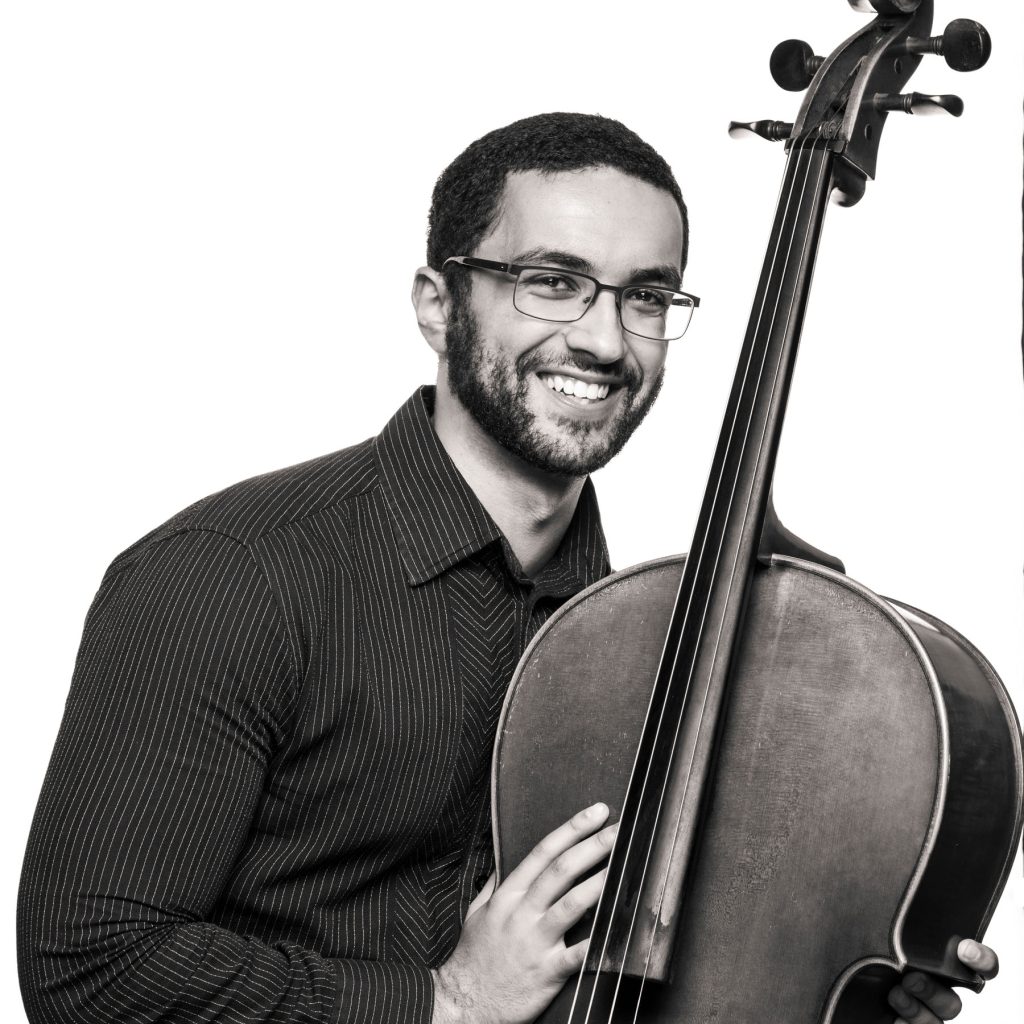
Image: Anthony McKee
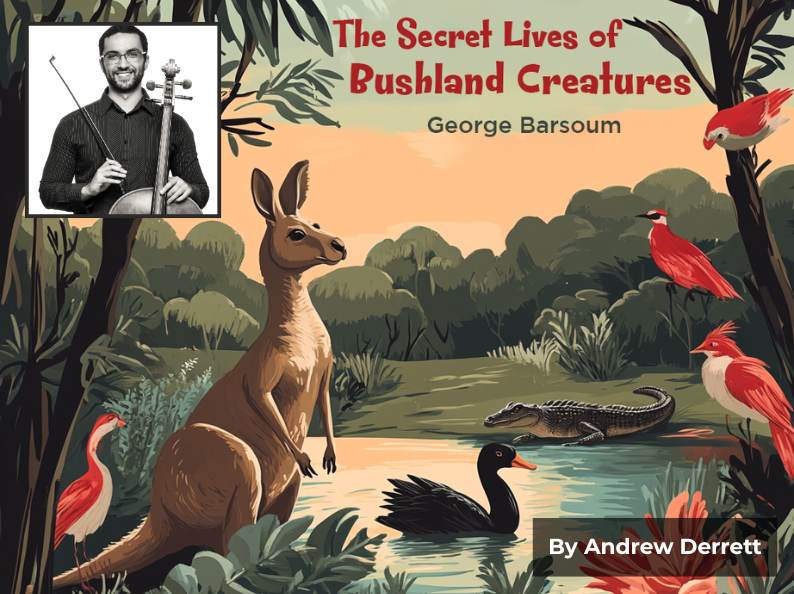
Orchestrating a work written for an ensemble rather than a standard piano reduction can present its own unique set of problems. The IWSO’s very own composer and cellist George Barsoum faced this issue when he recently adapted his suite The Secret Lives of Bushland Creatures, originally for wind quintet, into a fully fledged work for a symphony orchestra.
George has always had a passion for community ensembles and the stories they tell. In his work, he focuses on simplicity and playability and aims to keep the musicians just as happy as the audience. Complexity, he believes, is only as useful as it is enjoyable. Many of his pieces are descriptive and focus on a particular time and place, and while his melodic taste is quite modern, the orchestration is fairly traditional.
‘I never studied music formally beyond attending band and orchestra in high school’, says George, who credits the IWSO’s Artistic Director Andrew Leach for influencing and encouraging his musical journey. ‘I couldn’t actually read music till about Year 8, and he had a lot to do with that, as before then I was just playing by ear.’
So, where to begin when adapting ‘from five to fifty’?
A traditional wind quintet consists of a flute, oboe, clarinet, bassoon and horn, and George had a specific sound in mind when upscaling the work for a symphony orchestra.
‘I didn’t want to change too much of the wind parts. A lot of the melodies were specifically written for certain wind soloists and wouldn’t sound good on strings. There’s also the fact that the winds can mimic certain animal sounds far better than strings.’
But as George explains, the strings aren’t left out entirely.
‘As a bit of a consolation, I designed movement 3, “The Black Swan”, as the feature parts for strings. I decided early on that the strings would lead the melody for the entirety of movement 3.’
So how much does this new symphonic version differ from the chamber style of the original?
‘The overall structure is identical. There’s a clear story to each movement and I didn’t want to change that much. Having the strings and brass allowed me to make some sections far more vast than a quintet could allow.’
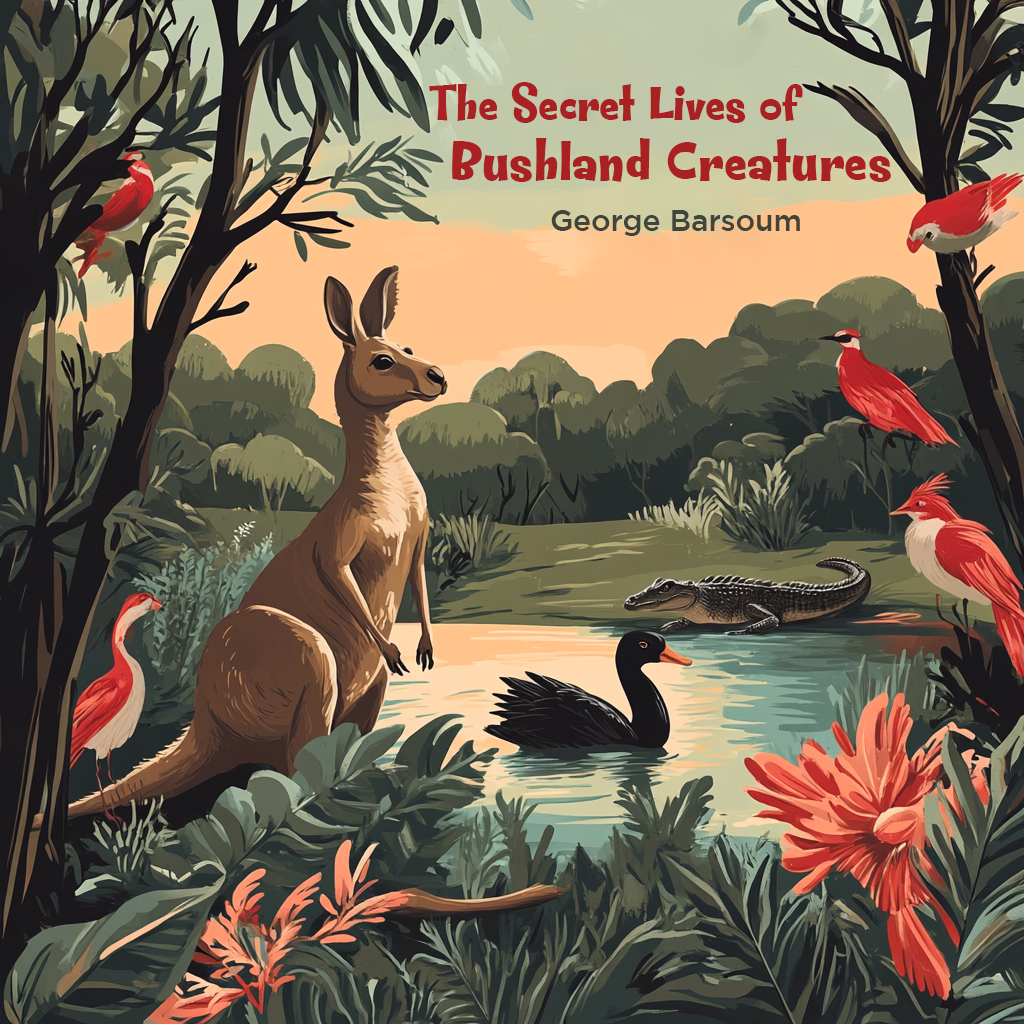
And so, what does the composer think of this new and somewhat larger incarnation of The Secret Lives of Bushland Creatures?
‘We’ve only played it a few times so far but it’s turning into this lovely symphonic piece, and I think it’ll be a bit of a crowd pleaser.’
The IWSO will present The Secret Lives of Bushland Creatures at our upcoming concert, MYTHIC, on Sunday, 3 August at 2 pm.